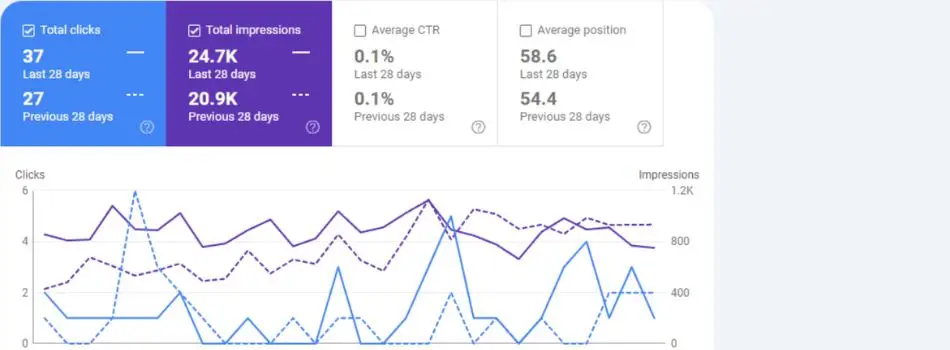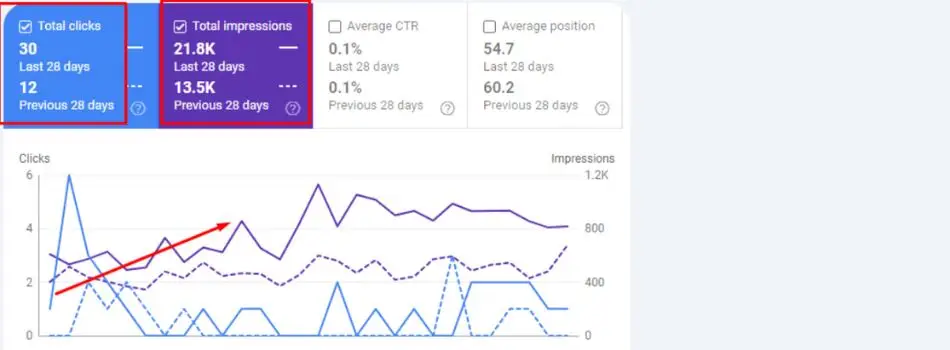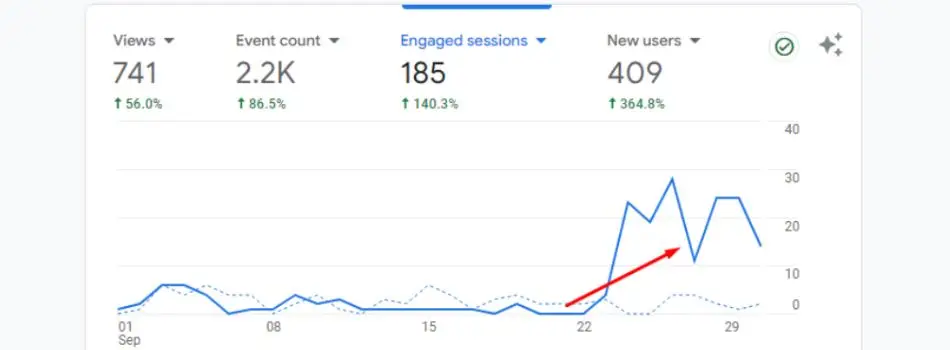

Open Sesame Garage Doors was invisible, buried deep in search results with a poor Average Position of 60.2. Then, we implemented a targeted strategy that delivered a massive 150% surge in Total Clicks and a 140.3% increase in Engaged Sessions in just 28 days. By focusing on local technical elements and high-intent service keywords, we fundamentally changed their lead generation.
Garage Door Repair Service
Reginald K. Stevenson
3 months
Home Page
Service Page
City Page
About Page
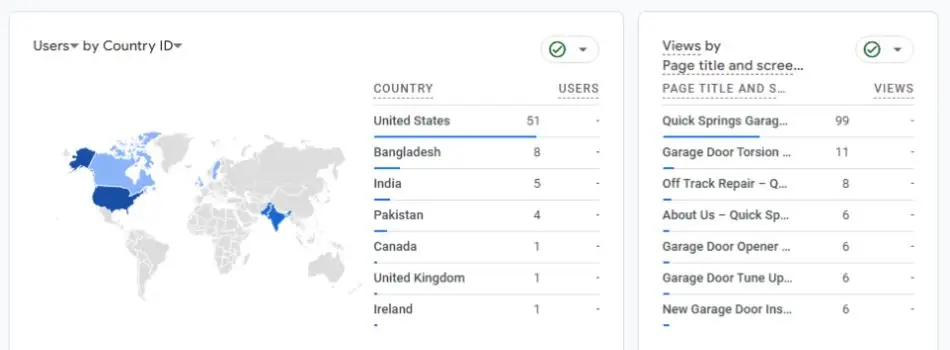
Open Sesame Garage Doors is a local service provider specializing in garage door repairs, installation, and maintenance, serving customers primarily in the United States. The website functions as a crucial lead generation tool, providing essential information on high-intent service needs like “Garage Door Torsion Repair”. Its success is measured by translating search visibility into direct service inquiries and highly engaged user sessions, with key activities like form_start being tracked.
Open Sesame Garage Doors was a new player in a competitive local service market. The primary challenge was achieving organic visibility for high-intent, local search queries. The initial metrics showed a very poor Average Position of 60.2, ranking the site outside the top six pages of Google results. Despite the eventual traffic surge, an Average CTR of 0.1% remained flat, indicating that the search listings were failing to compel users to click. The overall goal was to drastically improve search rankings and increase the volume of quality, local traffic.
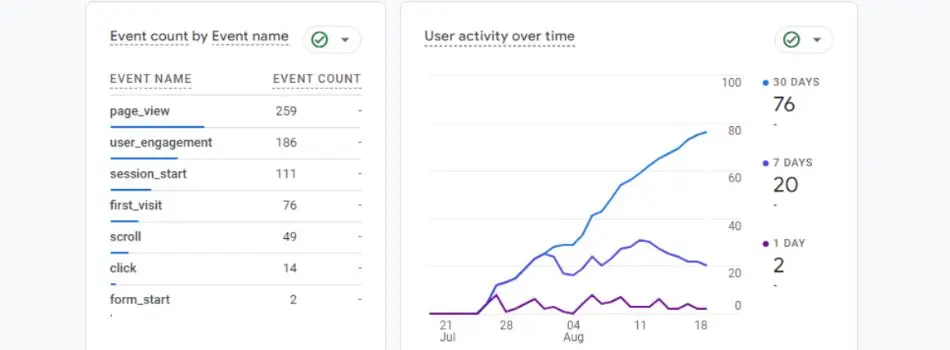
The implemented SEO strategy successfully resolved the initial visibility issues, leading to substantial, immediate growth. Total Clicks increased by 150% from 12 to 30, and Impressions grew by 61.5% from 13.5K to 21.8K. More importantly, the quality of this traffic improved dramatically, evidenced by a 140.3% increase in Engaged Sessions and a 364.8% growth in New Users. This success was driven by fixing technical elements and optimizing content to directly address urgent local customer queries.
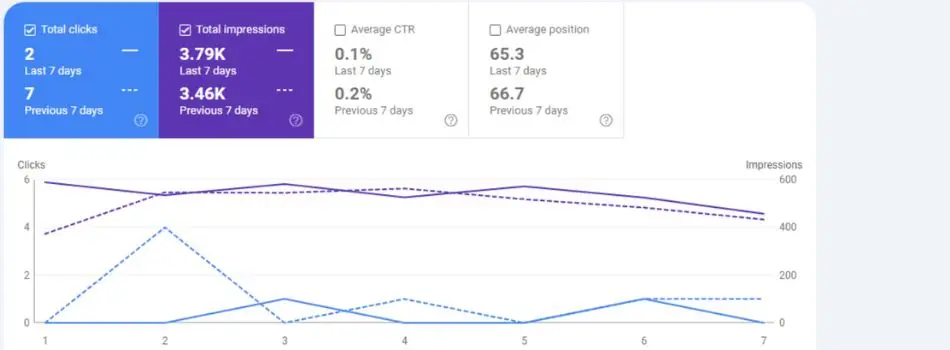
Google Search Console Performance
Google Analytics Performance
My process begins with a deep-dive analysis of a website's current state to uncover hidden opportunities and fix critical issues.
Get A free Audit
Assessment:
Identified Issues:
Recommendations:
Assessment:
Identified Issues:
Recommendations:
Assessment:
Identified Issues:
Recommendations:
Assessment:
Identified Issues:
Recommendations:
Assessment:
Identified Issues:
Recommendations:
Assessment:
Identified Issues:
Recommendations:
Assessment:
Identified Issues:
Recommendations:
Assessment:
Identified Issues:
Recommendations:
Assessment:
Identified Issues:
Recommendations:
My approach to keyword strategy goes beyond finding high-volume terms; it's about connecting your business with the right audience at the right time. Here’s how I've executed this for my clients:
I conducted thorough research to uncover relevant keywords with lower competition, allowing the client to gain traction and rank quickly for terms that their target audience was actively searching for.
I focused on highly specific, intent-driven long-tail phrases that led to a higher volume of qualified traffic and improved conversion rates, as these users were further along in their buying journey.
I performed in-depth research to align keyword strategy with the precise search behavior and language of the client’s target demographic, ensuring every piece of content resonated with the right people.
I evaluated competitor keyword profiles to identify gaps and missed opportunities. This allowed us to build a content strategy that targeted valuable keywords where competitors were not yet ranking.
I integrated semantically related keywords (LSI keywords) throughout the content, which helped search engines better understand the topic’s depth and breadth, leading to improved rankings for a wider range of relevant searches.
I specifically targeted geographically relevant keywords (e.g., “personal trainer in boston”) to attract and convert local customers who were searching for services in their area.
I continuously monitored keyword trends and search demand to ensure the client’s content remained fresh, relevant, and timely, capitalizing on new opportunities as they emerged.
I mapped keywords to the user’s intent at every stage of the funnel. This strategic content structure ensured that we had a relevant piece of content for every search query, from initial research to final decision-making.
My approach to content strategy goes beyond just writing; I focus on creating valuable, optimized content that attracts, engages, and converts. Here’s a breakdown of my process:
I developed a strategic content map based on in-depth keyword research and user intent. This ensured every blog post served a specific purpose, guiding users through the sales funnel and building topical authority.
I wrote compelling, SEO-friendly content tailored to the target audience. By naturally integrating keywords and providing genuine value, I was able to improve organic rankings and user engagement metrics.
I incorporated competitive images and infographics to enhance engagement and break up the text. I then optimized these visuals with proper alt text and dimensions, which improved site speed and provided an additional avenue for search traffic.
I crafted unique, compelling meta descriptions for each blog post, resulting in higher click-through rates from the SERPs. I also organized content into logical categories, which improved site navigation and user experience.
I implemented a strategic internal linking structure to connect new blog posts with relevant service pages and other valuable content on the site. I also included natural outbound links to credible sources, which improved the overall authority and trustworthiness of the content.
When appropriate, I linked new blog content to the client’s Google Business Profile. This provided a powerful signal to Google, strengthening their local SEO and driving more foot traffic to their physical location.
I implemented relevant Schema Markup to provide search engines with a clear understanding of the content’s context. I also manually submitted new blog posts to Google Search Console to ensure they were quickly indexed and available in search results.
My on-page strategy focuses on making a website not only findable by search engines but also highly relevant and engaging for users. Here’s a breakdown of the key areas I've optimized:
I crafted compelling, keyword-rich titles and engaging meta descriptions for every key page, resulting in improved click-through rates (CTR) from the search results page.
I developed clean, logical, and SEO-friendly URLs that clearly communicate the content of each page to both search engines and users.
I structured all content using a clear hierarchy of header tags (H1s, H2s, H3s) with strategically placed keywords. This improved content readability and helped search engines better understand the main topics on each page.
I seamlessly integrated primary and secondary keywords into the body of the content, ensuring a natural and valuable user experience without “keyword stuffing.”
I built a smart internal linking structure that improved site navigation, guided users through the content funnel, and effectively distributed link equity across the site.
I wrote descriptive and keyword-rich alt text for all images, making the content more accessible and allowing search engines to properly index visual media
I wrote descriptive and keyword-rich alt text for all images, making the content more accessible and allowing search engines to properly index visual media
I collaborated with the development team to identify and fix key issues slowing down the site. Our efforts led to a significant improvement in page load times, enhancing both user experience and search rankings.
I implemented relevant Schema Markup to provide search engines with a clear understanding of the content. This resulted in enhanced search listings (rich snippets), which increased the visibility and authority of the website.
Off-Page SEO is about building a website's authority and credibility across the internet. My strategy focuses on acquiring high-quality "votes of confidence" from other reputable sources.
I executed a targeted link-building campaign, securing high-quality backlinks from relevant, authoritative websites within the client’s industry. This significantly boosted the site’s domain authority and organic rankings.
I monitored and secured mentions of the client’s brand across the web, ensuring consistency in name, address, and phone number (NAP) details. This is especially vital for local SEO and building brand recognition.
For local businesses, I optimized the Google Business Profile (formerly Google My Business) to ensure it was complete, accurate, and engaging. This drove more local visibility and increased conversions from a highly motivated, local audience.
I developed a strategy to leverage social media channels to amplify content, engage with the audience, and build a sense of community. This increased brand signals and drove referral traffic back to the website.
I successfully pitched and published guest posts on reputable industry blogs. This not only provided valuable backlinks but also positioned the client as a thought leader and introduced their brand to new, highly-relevant audiences.
I performed a comprehensive crawl of the website to identify and fix all broken links (404 errors). I also implemented strategic 301 redirects to guide users and search engines from old, outdated URLs to new, relevant pages, preserving link equity.
I performed a comprehensive crawl of the website to identify and fix all broken links (404 errors). I also implemented strategic 301 redirects to guide users and search engines from old, outdated URLs to new, relevant pages, preserving link equity.
My technical SEO work ensures a website is crawlable, indexable, and provides an excellent user experience. Without a strong technical foundation, all other SEO efforts can be hindered. Here’s a summary of the technical optimizations I’ve implemented:
I conducted a performance audit to identify bottlenecks and worked with the development team to optimize code, compress images, and leverage caching. This significantly improved page load times, which positively impacted both user experience and search engine rankings.
I verified that the website was fully responsive and provided a seamless experience on all mobile devices. This is a crucial step for ranking in today’s mobile-first indexing environment.
I implemented relevant Schema Markup to provide search engines with a clear understanding of the content. This resulted in enhanced search listings (rich snippets), which increased the website’s visibility and authority in the SERPs.
I configured the robots.txt file and submitted an updated XML sitemap to Google Search Console. This ensured search engine crawlers could efficiently discover and index all of the website’s important pages.
I ensured the site was migrated to a secure HTTPS connection. This protects user data and is a recognized ranking factor, building trust and credibility with both users and search engines.
I performed a comprehensive crawl of the website to identify and fix all broken links (404 errors). I also implemented strategic 301 redirects to guide users and search engines from old, outdated URLs to new, relevant pages, preserving link equity.
I performed a comprehensive crawl of the website to identify and fix all broken links (404 errors). I also implemented strategic 301 redirects to guide users and search engines from old, outdated URLs to new, relevant pages, preserving link equity.
Ready to elevate 🚀 your brand? I specialize in creating stunning 🎨 digital experiences that 🎨 captivate and engage. Let’s bring 🚀 your vision to life!
Triple Your Organic Clicks & Leads.
Convert Social Traffic to Sales.
Launch High-Converting Websites.
Optimize User Flow & Experience.